
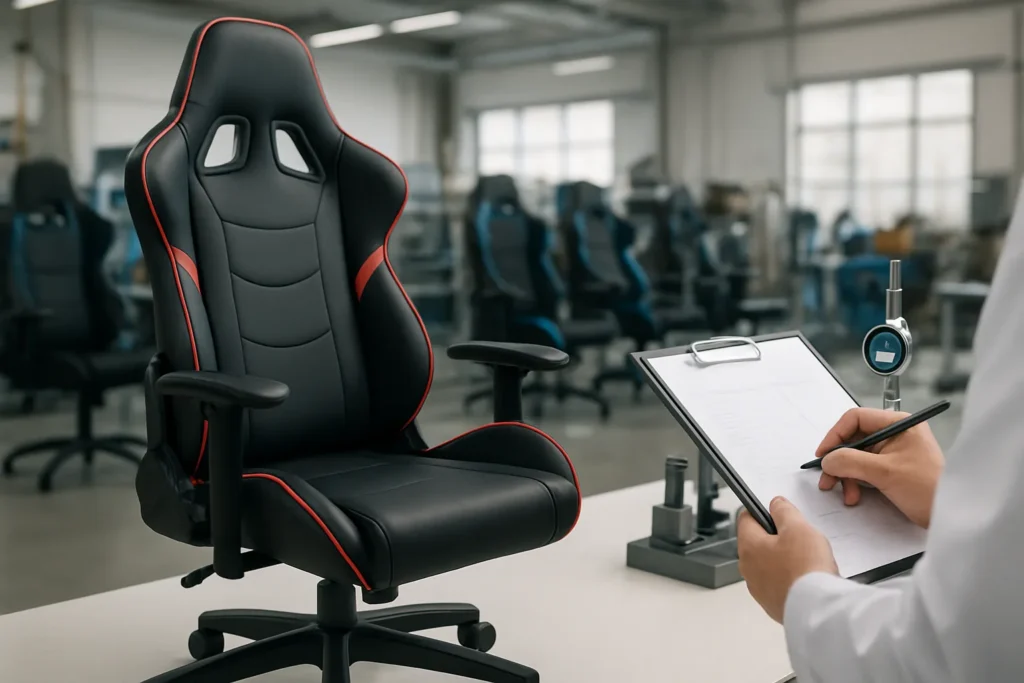
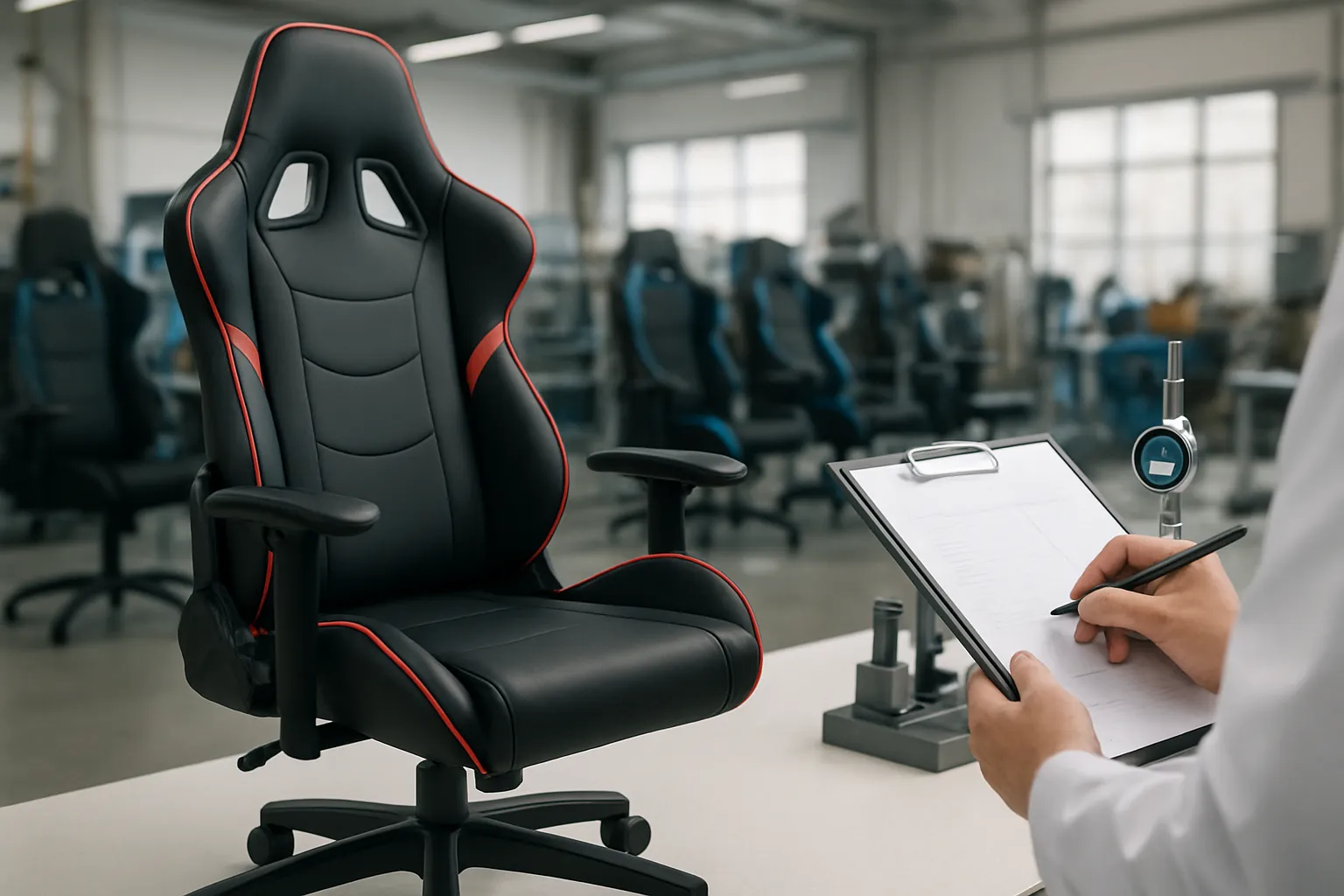
The Role of Quality Control in Manufacturing Gaming Chairs
Introduction to Quality Control in Manufacturing
In the fast-paced world of gaming chair manufacturing, quality control (QC) is essential for ensuring product excellence. QC involves the various processes and procedures that manufacturers implement to uphold the integrity, performance, and safety of their products. It’s crucial not just for minimizing defects and boosting customer satisfaction, but also for enhancing brand reputation and securing a strong market position.
The gaming chair market has seen explosive growth recently, driven by an uptick in gaming culture and a rising demand for ergonomic seating solutions. As gamers invest in top-notch gaming chairs to elevate their experience, it is imperative that manufacturers prioritize quality control to meet these heightened expectations. In this article, we will explore the different facets of quality control in gaming chair manufacturing, emphasizing key components, standards, processes, and best practices.
Key Components of Gaming Chairs
To grasp the importance of quality control in gaming chair manufacturing, we must first examine the key components that contribute to their overall functionality and comfort.
- Frame and Structure: The frame serves as the backbone of any gaming chair, providing the necessary stability and support. Quality control in this area includes ensuring that materials like steel or high-grade plastic are durable enough to withstand prolonged use. Manufacturers should conduct stress tests to confirm that the structure can endure the weight and movements of users effectively.
- Upholstery Materials: The selection of upholstery materials plays a significant role in both aesthetics and comfort. Common options include PU leather, fabric, and mesh. Quality control processes must assess the durability, breathability, and ease of cleaning of these materials. Moreover, manufacturers should guarantee that the upholstery is free from harmful chemicals, in line with health and safety regulations.
- Mechanisms and Adjustability: Gaming chairs often come equipped with adjustable components such as armrests, seat height, and reclining mechanisms. Quality control in this realm focuses on ensuring the smooth operation and reliability of these features. Rigorous testing is necessary to ensure that adjustments can be made effortlessly and that the chair retains its position without slippage.
Quality Control Standards in Manufacturing
The establishment of quality control standards is vital for manufacturers aiming to deliver high-quality gaming chairs. These standards guide the manufacturing process and ensure compliance with industry expectations.
- Industry Standards and Certifications: Various industry standards, such as ISO 9001, provide a framework for quality management systems. Certifications from recognized bodies can enhance a manufacturer’s credibility and assure customers of the product’s quality. For further details on quality control standards, you can refer to this technical reference.
- Testing Procedures and Protocols: Manufacturers should implement thorough testing procedures that encompass all aspects of the gaming chair, from structural integrity to comfort levels. These protocols may include fatigue testing, safety assessments, and user feedback sessions to ensure comprehensive evaluation.
- Compliance with Safety Regulations: Adhering to safety regulations is non-negotiable in gaming chair manufacturing. Compliance guarantees that products are safe for consumers, helping to avoid costly recalls and potential legal issues.
Implementation of Quality Control Processes
Successfully implementing quality control processes is essential for manufacturers striving to uphold high standards in their products.
- Quality Control Strategies: A proactive approach to quality control is critical. Manufacturers should utilize strategies like statistical process control (SPC) to monitor production processes and identify potential issues before they escalate into larger problems.
- Role of Technology in Quality Assurance: Advanced technologies, such as automation and artificial intelligence, can significantly enhance quality control efforts. For instance, automated inspection systems can quickly identify defects in upholstery or frame components, allowing for immediate corrective actions, which I believe can save time and resources in the long run.
- Employee Training and Best Practices: A well-trained workforce is key to effective quality control. Manufacturers should invest in training programs that educate employees on quality standards, inspection techniques, and best practices in manufacturing processes. In my experience, fostering a culture of quality contributes greatly to overall product excellence.
Case Studies of Effective Quality Control
Analyzing successful manufacturers can provide valuable insights into effective quality control practices.
- Successful Manufacturers: Companies like DXRacer and Secretlab have established themselves as leaders in the gaming chair market, primarily due to their stringent quality control measures. By investing in high-quality materials and rigorous testing protocols, they have cultivated a loyal customer base that trusts their products.
- Lessons Learned from Quality Failures: Conversely, manufacturers that have encountered quality failures often underscore the importance of robust quality control processes. A notable recall of a gaming chair due to safety concerns serves as a stark reminder of the potential repercussions of neglecting quality control and the need for continuous improvement.
Sourcing Quality Materials for Gaming Chairs
The quality of materials used in gaming chairs is fundamental to the performance and durability of the final product.
- Supplier Selection Criteria: Manufacturers should establish clear criteria for selecting suppliers, focusing on their ability to consistently provide high-quality materials. Factors to consider include production capabilities, quality certifications, and previous performance records.
- Importance of Material Quality: The caliber of materials directly influences the chair’s longevity and user comfort. While investing in premium materials may incur higher initial costs, it can lead to greater customer satisfaction and fewer returns, which I believe is a wise long-term strategy.
- Building Long-term Supplier Relationships: Developing strong, long-term relationships with suppliers fosters collaboration and reliability. Manufacturers can work closely with suppliers to ensure quality standards are met and promptly address any issues that may arise.
Comparing Quality Control Approaches
Manufacturers often face the decision of whether to manage quality control processes in-house or outsource them.
- In-house vs. Outsourced Quality Control: In-house quality control allows manufacturers to maintain direct oversight of the production process. However, outsourcing to specialized quality control firms can provide access to expert knowledge and advanced testing technologies, which can be beneficial in achieving higher quality standards.
- Cost Implications of Different Approaches: Each approach carries its own cost implications. While in-house quality control may appear more cost-effective, outsourcing can reduce overhead costs and improve efficiency, ultimately leading to better quality outcomes. From what I’ve seen, the right choice often depends on the specific needs and capabilities of the manufacturer.
Frequently Asked Questions
Addressing common questions about quality control can help manufacturers navigate challenges effectively.
- Common Quality Control Challenges: Some prevalent challenges include maintaining consistency across production batches, managing supplier quality, and adapting to evolving customer expectations.
- Tips for Improving Quality Control: Manufacturers can enhance their quality control processes by integrating continuous improvement practices, conducting regular audits, and fostering a culture of quality among employees. Engaging employees in the process can lead to innovative solutions and a stronger commitment to quality.
- Future Trends in Quality Control for Gaming Chairs: As technology continues to evolve, trends such as increased automation, data analytics, and real-time quality monitoring are likely to shape the future of quality control in gaming chair manufacturing.
Conclusion
Quality control is an indispensable aspect of manufacturing gaming chairs, influencing not just the product’s performance and safety but also the manufacturer’s reputation in a competitive market. By focusing on key components, adhering to industry standards, and implementing effective quality control processes, manufacturers can ensure their gaming chairs meet the high expectations of consumers. As the gaming industry continues to expand, prioritizing quality control will be vital for sustainable success and customer satisfaction.